

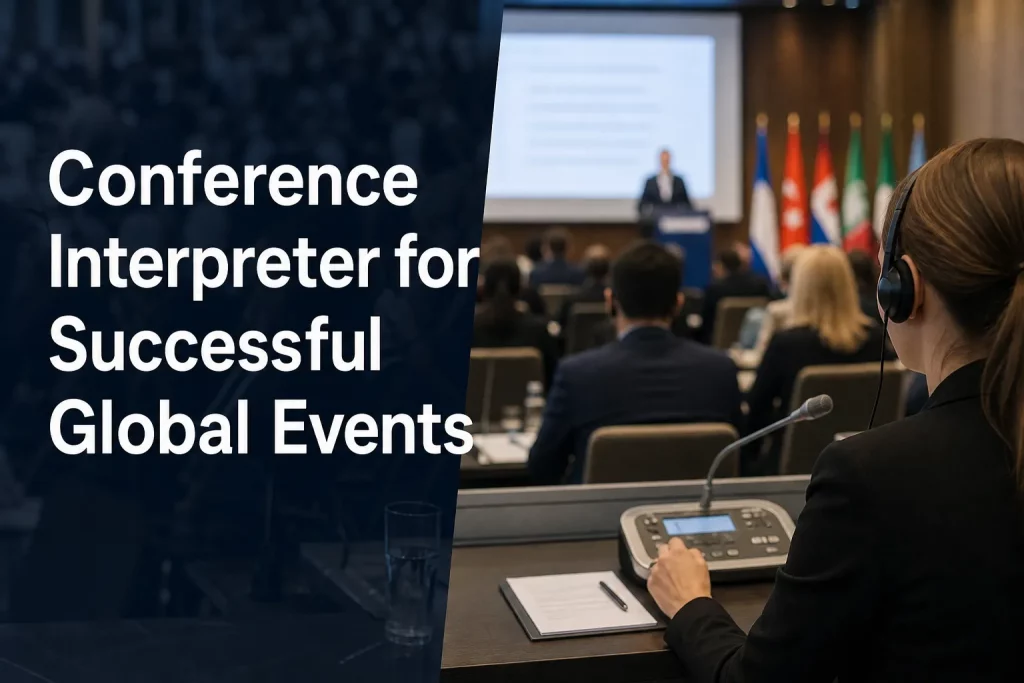
Conference Interpreter for Successful Global Events
Planning a multilingual event is not just about booking a speaker and renting a venue. It is about making sure every attendee can follow the conversation, engage confidently, and leave with the same understanding of your message. That is where a professional conference interpreter becomes essential.
For event organizers, conference planners, internal communications teams, trade show producers, churches, and broadcast teams, the challenge is rarely just language alone. It is also timing, technology, accessibility, audience experience, and risk management. A missed phrase, unclear audio feed, or unqualified interpreter can weaken presentations, confuse participants, and make an otherwise polished event feel fragmented.
Team Stream helps solve that problem with end-to-end language access and accessibility support for live, hybrid, and virtual events. With more than 25 years of experience, professional interpreters, AI-enabled solutions, real-time captioning, technician support, and equipment rental, Team Stream helps clients deliver multilingual communication that is accurate, inclusive, and dependable.
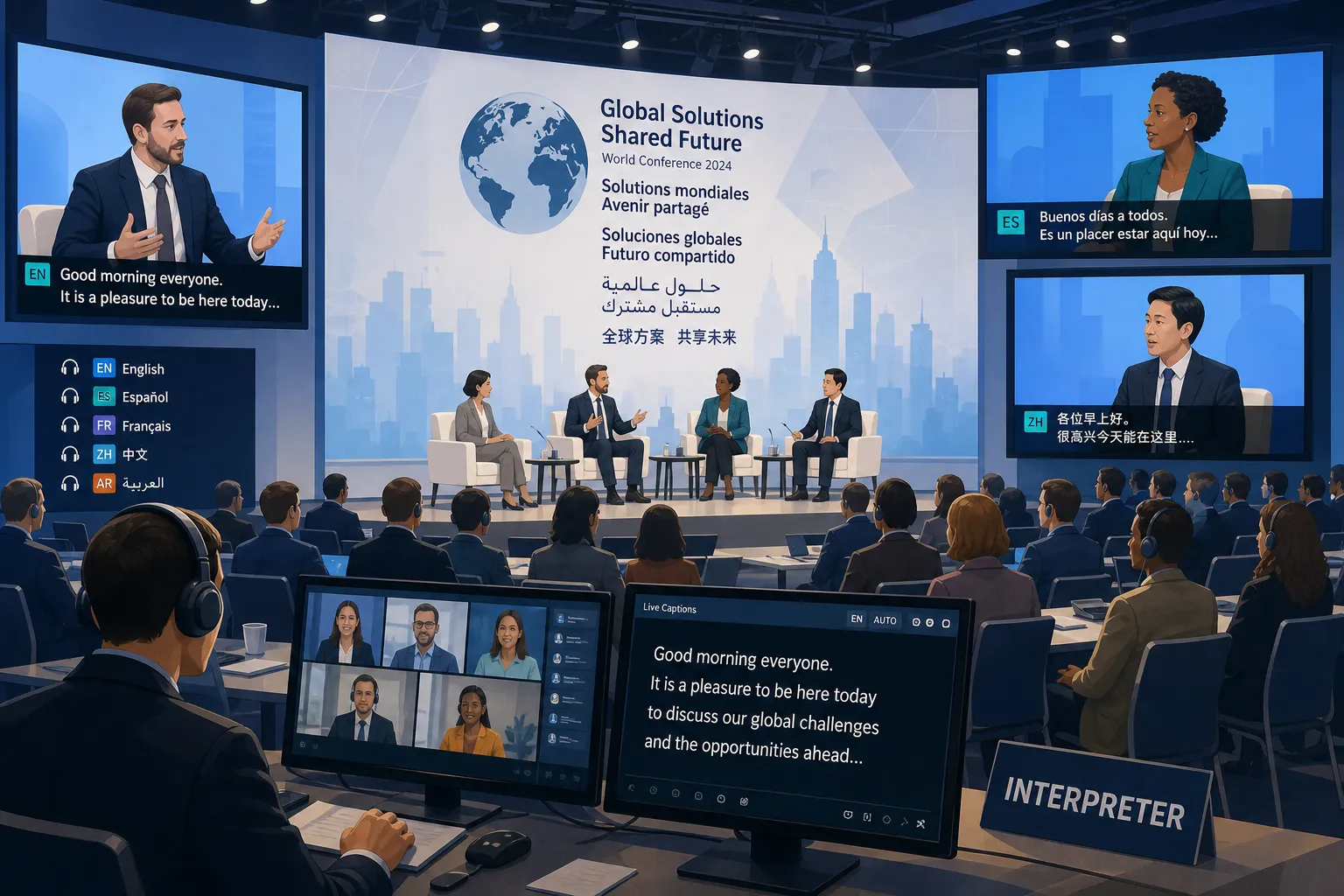
What a Conference Interpreter Actually Does
A conference interpreter enables people who speak different languages to understand each other in real time during meetings, conventions, summits, training sessions, product launches, town halls, and other live events. Unlike written translation, interpreting happens live and under pressure. The interpreter listens, processes meaning instantly, and delivers the message in another language while preserving intent, tone, and context.
At a high level, the work includes:
-
Listening for meaning rather than translating word for word
-
Delivering speech naturally and quickly
-
Handling industry terminology accurately
-
Preserving nuance, tone, and speaker intent
-
Supporting audience understanding without disrupting event flow
A skilled conference interpreter does far more than convert vocabulary. They help protect the speaker’s credibility, the brand’s reputation, and the audience’s experience.
Translation vs. Interpreting
These terms are often confused, but they are not interchangeable.
|
Service |
Medium |
Timing |
Best For |
|---|---|---|---|
|
Translation |
Written content |
Completed before delivery |
Agendas, slide decks, signage, handouts, websites |
|
Interpreting |
Spoken communication |
Delivered in real time or near real time |
Conferences, panels, webinars, trainings, meetings |
For successful multilingual events, many organizations need both. Team Stream regularly supports clients with interpreting, written translation, subtitling, live captioning, and accessibility planning as one coordinated solution.
Why Professional Interpreting Matters at Conferences
When people attend a global event, they expect more than partial comprehension. They expect to participate fully. Professional interpreting makes that possible.
It improves comprehension and engagement
Attendees are far more likely to absorb content, ask questions, and stay engaged when they can listen in their preferred language. This matters especially in sessions with technical detail, sensitive policy content, fast-paced Q&A, or executive messaging.
It reduces reputational risk
Poor interpreting reflects badly on the event organizer, even when the issue began with planning or technology. Inaccurate terminology, awkward pacing, and preventable technical breakdowns can make a company appear unprepared.
It supports accessibility and inclusion
Language access is only one part of inclusion. Many events also need live captioning, closed captioning, subtitles, or support for deaf and hard-of-hearing attendees. Team Stream’s combined language and accessibility services help organizations create experiences that are inclusive by design, not as an afterthought.
“In 2025, the market was valued at approximately $14.34 billion and is projected to reach $39.99 billion by 2035.” – Global Growth Insights
That growth reflects a simple reality: multilingual communication is now a business-critical function for global events, not an optional extra.
It protects event outcomes
If your conference aims to train teams, persuade buyers, align stakeholders, or build trust, accurate interpreting directly affects those goals. The clearer the communication, the stronger the outcome.
Common Types of Conference Interpreting
Different event formats require different interpreting modes. One of the biggest planning mistakes is choosing the wrong setup for the audience, venue, or schedule.
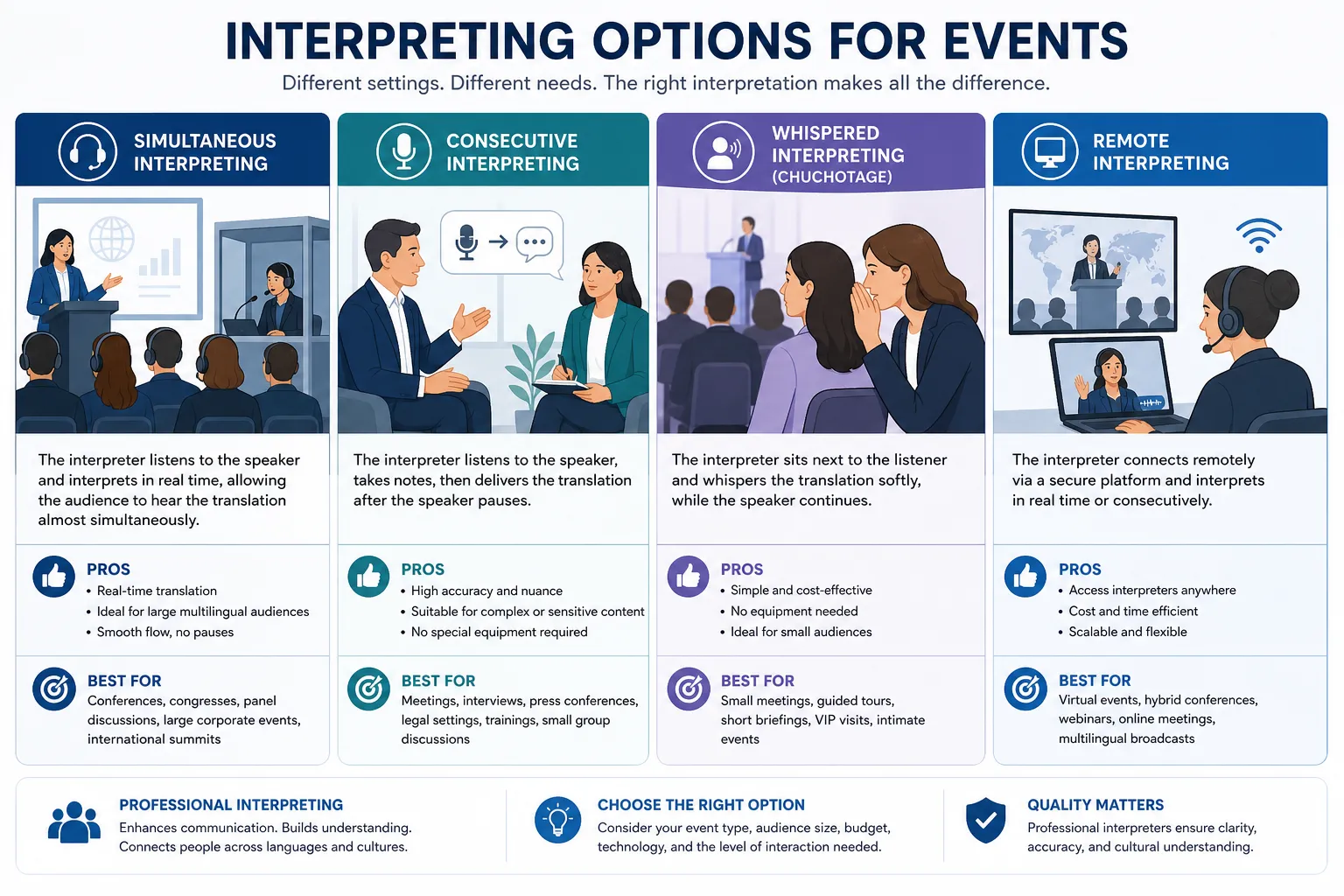
Simultaneous interpreting
This is the standard for large conferences and multilingual events. The interpreter listens and speaks almost at the same time, usually from a booth or remote interpreting platform, while attendees hear the interpreted audio through headsets.
Best for:
-
Keynotes
-
General sessions
-
Large conferences
-
Broadcast events
-
Hybrid summits
Benefits:
-
Minimal disruption
-
Efficient scheduling
-
Better audience flow
-
Professional listener experience
Planning needs:
-
Interpreters in teams
-
Reliable audio feeds
-
Booths or remote platform access
-
Headsets/receivers or integrated streaming
Consecutive interpreting
The speaker pauses after a sentence or segment, and the interpreter renders the message afterward.
Best for:
-
Workshops
-
Press briefings
-
Small meetings
-
VIP sessions
-
Guided discussions
Benefits:
-
No booth required
-
Useful for interactive settings
-
Can feel personal and direct
Trade-off:
-
Doubles speaking time in many cases
Whispered interpreting
Also called chuchotage, this is a discreet option where the interpreter sits beside one or two listeners and interprets quietly in real time.
Best for:
-
Executives
-
Delegations
-
Small VIP groups
Trade-off:
-
Not scalable for larger audiences
-
Can be tiring over long periods
Remote simultaneous interpreting
Interpreters work remotely through a platform while the event is delivered virtually or in hybrid format.
Best for:
-
Virtual conferences
-
Global webinars
-
Hybrid events
-
Fast-turn multilingual meetings
Benefits:
-
Flexible deployment
-
Lower travel complexity
-
Broader interpreter availability
Team Stream supports in-person and remote delivery models, helping clients choose the format that fits budget, timeline, and audience expectations.
What Makes a Great Conference Interpreter
Not every bilingual professional is equipped for conference work. The best conference interpreters combine language mastery with performance skills, subject knowledge, and composure under pressure.
Core qualities to look for
Excellent listening and processing speed
Conference interpreting happens fast. Interpreters must understand meaning, anticipate structure, and respond instantly.
Subject-matter familiarity
A medical device launch, legal conference, financial summit, and church broadcast all require different terminology and context. Domain knowledge matters.
Strong delivery and presence
The interpreter’s voice must sound clear, steady, and natural. If delivery is strained, robotic, or uncertain, the audience feels it.
Professional ethics
Confidentiality, impartiality, preparation discipline, and reliability are essential.
Team coordination
For simultaneous interpreting, interpreters usually work in pairs and rotate. Smooth handoffs and mutual support improve quality.
How Event Planners Should Choose the Right Interpreter
Hiring the right interpreter starts with matching the service to the event. The wrong match can lead to avoidable costs and disappointing results.
Ask these questions before booking
What languages are needed?
Identify both speaker languages and attendee languages. These are not always the same.
What is the event format?
Live, virtual, and hybrid events each require different workflows and technical planning.
What type of content will be delivered?
Technical, legal, medical, faith-based, internal communications, and marketing-focused content all require different interpreter preparation.
How interactive is the agenda?
Panels, Q&A, breakout rooms, and networking sessions create different interpreting demands than stage presentations.
What level of accessibility is required?
Some events need more than interpreting. They may also require CART/live captioning, multilingual captions, subtitles, or accessibility compliance support.
A practical selection checklist
|
Question |
Why It Matters |
|---|---|
|
Does the interpreter have conference experience? |
Live events require specialized skills |
|
Do they know the subject area? |
Terminology accuracy affects trust |
|
Can the provider handle equipment and tech? |
Language quality fails without strong execution |
|
Do they support hybrid and remote workflows? |
Flexibility matters for modern events |
|
Can they add captioning or translation if needed? |
One coordinated partner reduces risk |
|
Are they responsive and organized? |
Planning quality usually predicts event quality |
This is where Team Stream stands out. Instead of offering isolated services, the team helps clients build the right combination of interpreting, captioning, translation, subtitling, equipment, and technical support around the event’s specific goals.
The Technology Behind Successful Multilingual Events
A strong interpreter can still be undermined by weak event infrastructure. Audio quality, platform design, signal routing, and listener access all shape the final experience.
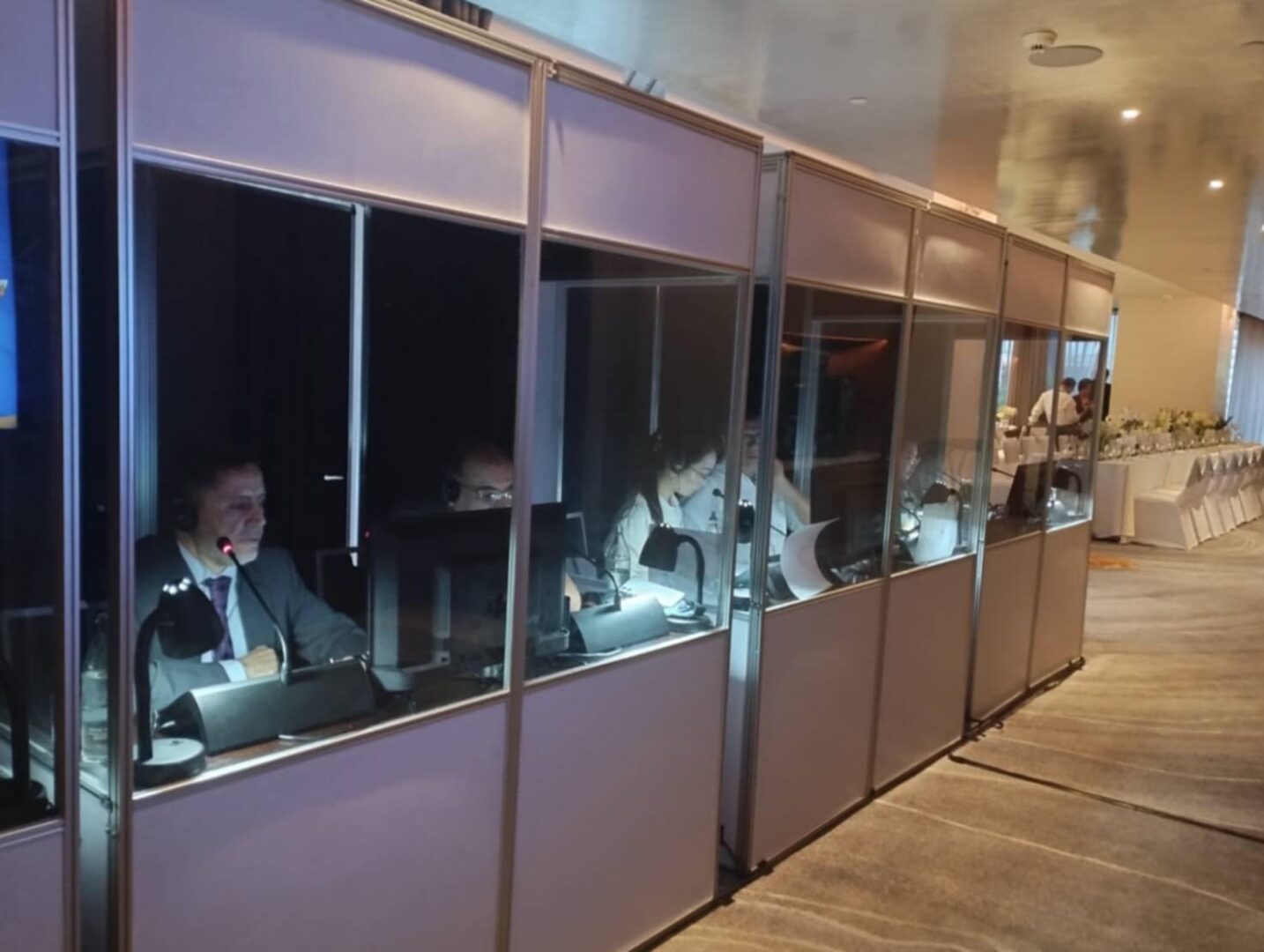
On-site event essentials
For in-person simultaneous interpreting, you may need:
-
Interpreter booths
-
Interpreter consoles
-
Audio distribution systems
-
Wireless headsets and receivers
-
Microphones and feed routing
-
Technician support on site
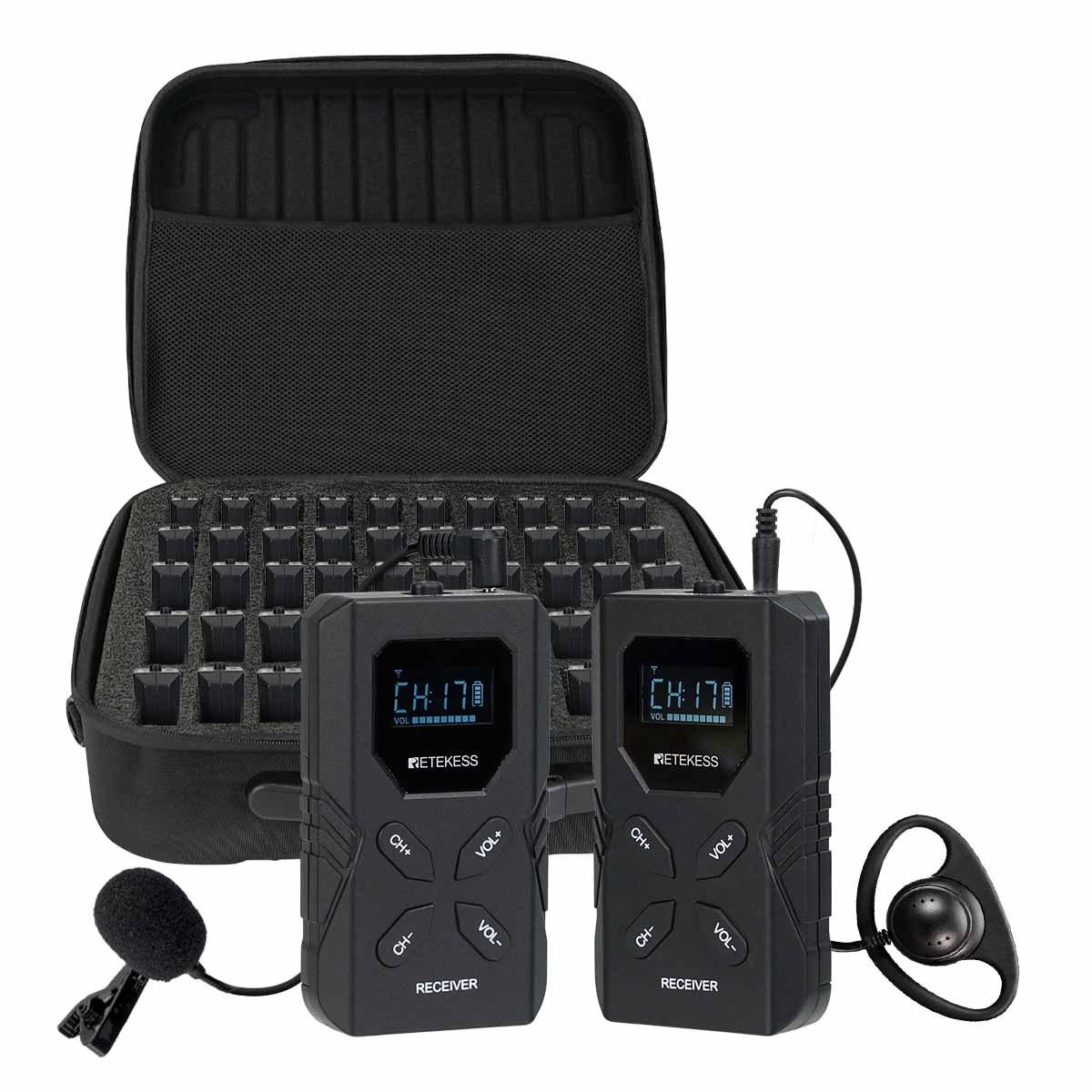
Virtual and hybrid event essentials
For remote interpreting and hybrid delivery, success depends on:
-
Stable platform integration
-
Clear floor audio
-
Interpreter return audio/video
-
Backup communication channels
-
Managed listener language selection
-
Technician monitoring throughout the event
Too many articles focus only on “simultaneous vs. consecutive” and skip the execution layer. In reality, event success often depends on what happens behind the scenes. Team Stream supports clients with equipment rental and sales, technician services, and event-specific setup guidance so the language plan works in the real world, not just on paper.
“In the United States, approximately 15% of adults report some degree of hearing loss.” – Global Growth Insights
That is one reason live captioning and accessibility support should be considered early in conference planning, not added only at the end.
Why Accessibility Should Be Built Into Conference Planning
Many competitor articles mention multilingual communication but gloss over accessibility. That is a major content gap and a major planning gap.
A truly successful event should consider:
-
Attendees who prefer or require live captions
-
Participants who are deaf or hard of hearing
-
Non-native speakers who benefit from visual text support
-
Recorded content that needs captions or subtitles afterward
-
Compliance expectations for public-facing organizations and enterprise events
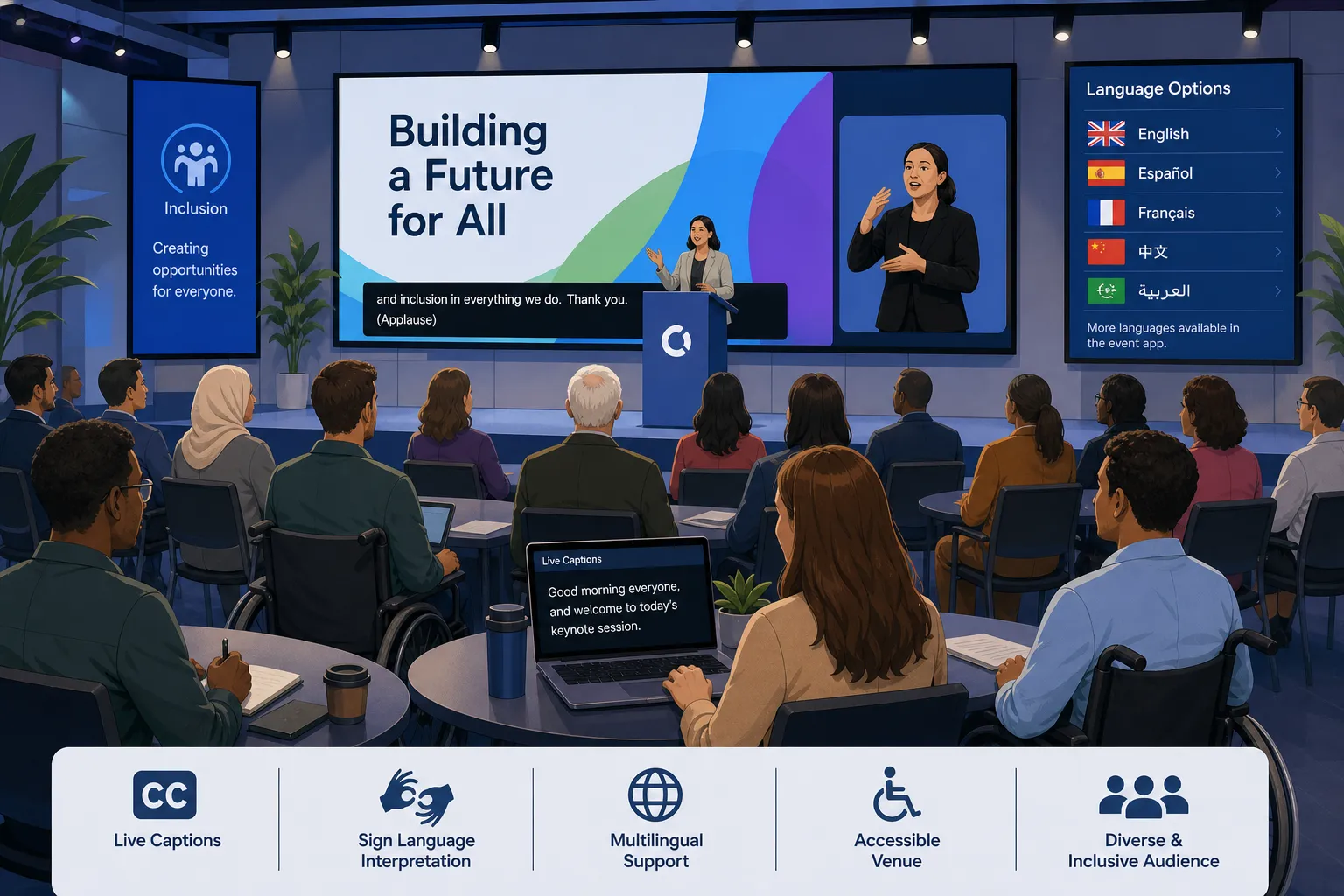
Live captioning vs. interpreting
These services solve different problems.
|
Service |
Helps With |
Best Use Cases |
|---|---|---|
|
Live interpreting |
Spoken content in another language |
Multilingual audiences |
|
Live captioning |
Real-time text display |
Accessibility, noisy rooms, comprehension support |
|
Subtitles |
On-screen translated or same-language text for recordings |
Video assets, replays, post-event content |
|
Closed captioning |
Accessibility text track for video |
Compliance and inclusive media delivery |
Team Stream helps clients combine these services intelligently. For example, a hybrid conference might use interpreters for Spanish and French audio channels, English CART captioning in the room, multilingual subtitles for post-event replay, and translated slides in advance.
Human Interpreters, AI Tools, or Both?
Another gap in many competitor articles is the oversimplified debate between human and AI solutions. The better question is not which one replaces the other. It is how to use each appropriately.
Where human interpreters are essential
Human expertise is best when:
-
Stakes are high
-
Messaging is nuanced
-
Brand tone matters
-
Speakers move quickly or unpredictably
-
Sessions include humor, emotion, or sensitive content
-
Legal, medical, technical, or executive topics are involved
Where AI-powered language tools can help
AI-enabled solutions may be valuable for:
-
Fast internal multilingual support
-
Lower-risk content workflows
-
Draft translation
-
Certain high-volume content needs
-
Supplemental speed and scale
Team Stream’s advantage is not choosing sides. It is combining accurate human expertise and AI-powered solutions in a practical, client-focused way. That means using the right resource for the right moment while maintaining quality, accessibility, and brand confidence.
How to Prepare Interpreters for Better Results
Even the best interpreters perform better when event organizers share materials early. Preparation is one of the highest-impact, lowest-cost improvements you can make.
Share these materials in advance
-
Agenda and session rundown
-
Speaker names and bios
-
Slide decks
-
Glossaries and acronyms
-
Product names
-
Scripts, if available
-
Videos that will be played
-
Pronunciation guidance for names or specialized terms
Brief them on event context
Explain:
-
Audience profile
-
Goals of the event
-
Tone expectations
-
Sensitive topics
-
Whether remarks are scripted or spontaneous
-
Whether there will be Q&A or audience participation
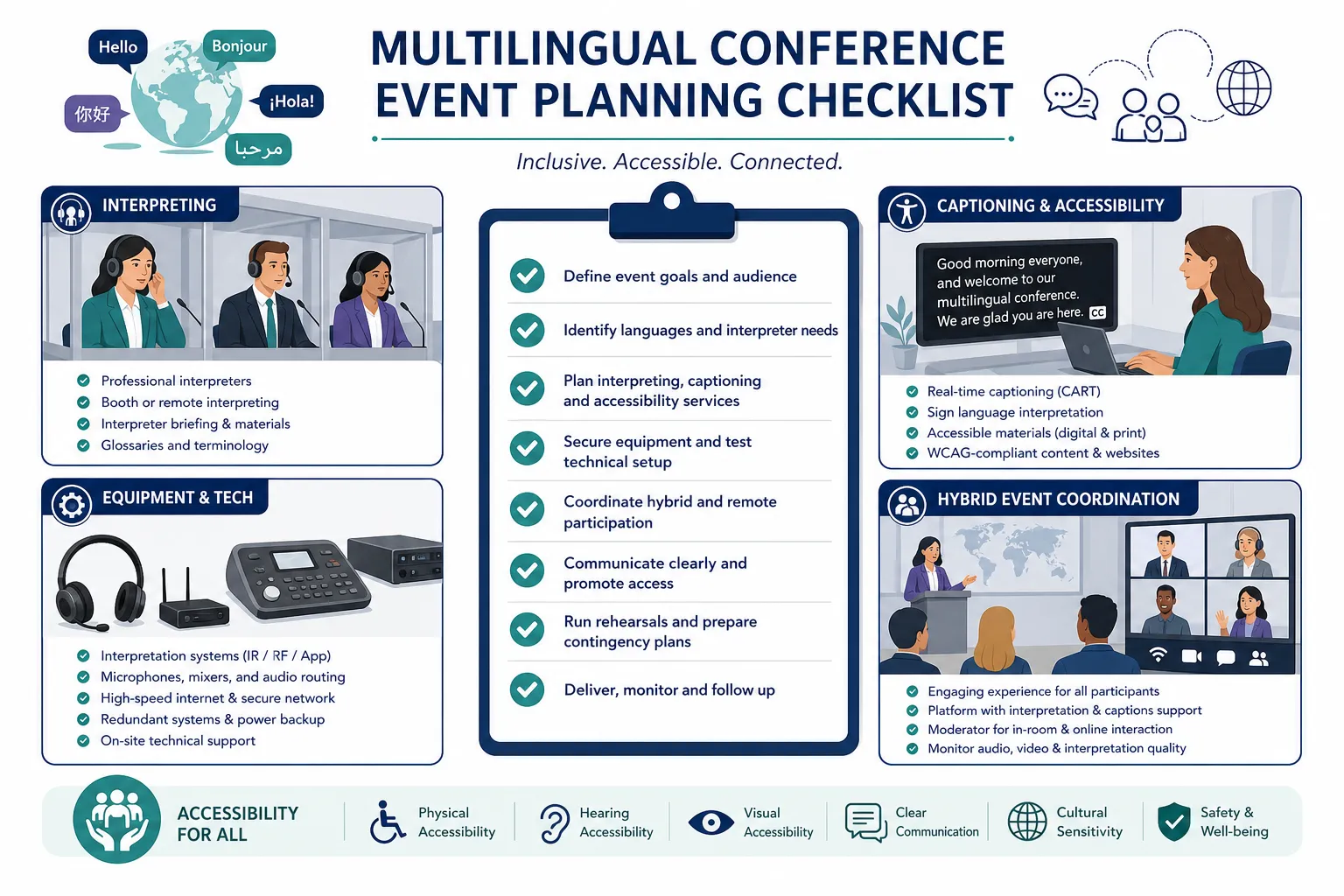
Plan rehearsal time
A short technical rehearsal can catch:
-
Audio routing issues
-
Platform access problems
-
Wrong channel assignments
-
Delays in caption display
-
Slide/video sync issues
Team Stream’s responsive project support helps clients address these details early, which reduces day-of-event stress and helps everything run smoothly.
Common Mistakes That Hurt Multilingual Events
Competitor content often explains what interpreting is, but less often warns readers about preventable mistakes. These are some of the biggest ones.
Booking too late
Specialized interpreters and technicians may not be available on short notice, especially for niche industries or multi-language events.
Underestimating technical needs
Interpreting quality depends on audio, equipment, and monitoring. Weak infrastructure can make excellent interpreters sound ineffective.
Choosing based on price alone
The cheapest option may cost more in confusion, delays, or reputational damage.
Forgetting accessibility
Captions, subtitles, and inclusive delivery should be part of planning from the start.
Failing to share prep materials
Last-minute materials increase the risk of terminology errors and inconsistent delivery.
Treating live, hybrid, and virtual events the same
Each environment needs a different technical and operational approach.
A Better Framework for Planning Conference Interpreting
If you are organizing a multilingual event, this framework can help.
Step 1: Define the communication goals
Are you informing, training, persuading, celebrating, or broadcasting?
Step 2: Map the audience
Which languages are needed? Who needs captions? Which attendees are on site versus remote?
Step 3: Choose the delivery model
In person, virtual, or hybrid.
Step 4: Match the interpreting mode
Simultaneous, consecutive, whispered, remote, or a combination.
Step 5: Add supporting services
Captioning, subtitling, translated documents, voiceover, accessibility support.
Step 6: Confirm technology and staffing
Booths, headsets, technician support, platform readiness, backups.
Step 7: Rehearse and refine
Test the full experience before the event begins.
This end-to-end approach is exactly how Team Stream works: tailored service design, strong execution, and responsive support instead of one-size-fits-all packages.
When You Need More Than an Interpreter
In many cases, the real need is not “just an interpreter.” It is a coordinated communication system for diverse audiences.
That may include:
-
Live interpreting
-
Real-time captioning
-
Closed captioning
-
Subtitling
-
Written translation
-
Voiceover
-
Equipment rental
-
Technician support
-
Remote and in-person options
-
Accessibility planning
That broader perspective is one of the biggest differences between a vendor and a true event partner. Team Stream helps clients design complete multilingual and accessible communication experiences for conferences, trade shows, corporate events, churches, broadcasts, and hybrid productions.
Why Team Stream Is a Smart Partner for Global Events
Event organizers need more than language talent. They need reliability, flexibility, and responsive support from a team that understands live production realities.
Team Stream brings together:
-
Accurate human interpreting and AI-enabled language solutions
-
Live captioning for accessibility and engagement
-
Translation, subtitling, and voiceover services
-
In-person, remote, and hybrid event support
-
Compliance-friendly communication solutions
-
Equipment rental, sales, and technician services
-
Tailored recommendations instead of fixed packages
-
More than 25 years of experience
-
Strong customer service and dependable execution
For organizations that want multilingual communication done well the first time, that combination matters.
Final Takeaway
A professional conference interpreter does much more than speak two languages. They help your audience understand, participate, and trust what they are hearing. For event planners, that means better communication, stronger engagement, lower risk, and more successful outcomes.
The most effective multilingual events also go beyond interpreting alone. They integrate captioning, accessibility, technical support, translated materials, and the right delivery model for the audience. That is how global communication becomes seamless instead of stressful.
If you are planning a live, virtual, or hybrid event and want a trusted partner to handle both language access and accessibility, Team Stream is built for exactly that. From interpreters and captions to equipment and technician support, the team helps you create an event where every message lands clearly and every attendee feels included.
Ready to make your next event multilingual, accessible, and professionally executed? Team Stream can help you build the right solution from the start.
FAQ
How much does an interpreter cost per hour?
Interpreter pricing varies based on language pair, event type, subject matter, minimum booking requirements, and whether equipment or technician support is needed. For conferences, rates are often quoted by half day or full day rather than simple hourly pricing because professional interpreting requires preparation, coordination, and often team coverage.
What are the five common errors made by interpreters?
Common interpreting errors include omitting information, mistranslating terminology, losing speaker tone, speaking with poor pacing, and working without enough preparation. Many of these issues can be prevented by using qualified conference interpreters and sharing event materials in advance.
How to become a conference interpreter?
To become a conference interpreter, most professionals develop advanced bilingual fluency, formal interpreting training, subject-matter knowledge, and live-event experience. Success also requires fast processing, strong delivery, ethical professionalism, and comfort working in high-pressure multilingual settings.
Who gets paid more, interpreters or translators?
It depends on the specialization, but conference interpreters often command higher rates for live events because the work is immediate, high pressure, and technically demanding. Translators can also earn strong rates in specialized fields, but conference interpreting usually involves tighter timelines and more operational complexity.
Is conference interpreting hard?
Yes, conference interpreting is one of the most demanding language professions. It requires real-time listening, analysis, memory, terminology control, and fluent delivery, often while working with live audiences, technical content, and event technology at the same time.
