

Translation Services for Businesses That Scale
Growing into new markets sounds exciting until communication starts breaking down.
A product team launches in three countries with inconsistent terminology. Legal needs contracts translated precisely. HR has to onboard multilingual employees. Marketing wants brand voice preserved across campaigns. Event teams need live interpreting, captions, subtitles, and accessibility support across in-person, virtual, and hybrid experiences. When language services are handled ad hoc, businesses usually pay for it later in delays, rework, compliance issues, and poor audience experience.
That is why translation services for businesses are no longer just a vendor line item. They are part of operational infrastructure. The right partner helps you scale communication across departments, audiences, and channels without losing clarity, speed, or control.
For organizations running live events, conferences, broadcasts, webinars, training sessions, or multilingual internal communications, the stakes are even higher. Translation is only one piece of the puzzle. You may also need interpreting, live captioning, subtitling, voiceover, accessibility support, equipment, and technicians who can make everything work in real time.
At Team Stream, we see this every day. Businesses do not just need words converted from one language to another. They need accurate human and AI-powered translation, real-time captioning for accessibility and engagement, flexible in-person and remote service delivery, and reliable execution backed by experienced people who understand live environments.

Why scalable translation matters now
Many competitor articles focus on ranking providers or comparing AI features. Fewer explain what companies actually need when translation becomes part of a larger communication system. The real question is not “Who translates documents?” It is:
Who can help your business communicate clearly at scale across content, meetings, events, compliance requirements, and customer experiences?
“In 2024, the market was valued at approximately USD 71.7 billion, and it is projected to reach USD 75.7 billion in 2025.” – LocReport
That growth reflects something important: translation and localization are no longer niche purchases. They support expansion, risk management, accessibility, and revenue.
For businesses, scalable translation services help with:
-
entering new geographic markets faster
-
keeping legal and technical terminology consistent
-
improving customer trust across languages
-
supporting multilingual employees and stakeholders
-
making events and broadcasts more inclusive
-
reducing rework from poor or fragmented translations
-
aligning written translation with live interpreting and captioning
What competitors cover well – and what they often miss
Across the top-ranking articles, a few themes consistently appear:
-
broad language coverage
-
AI plus human workflows
-
enterprise localization platforms
-
legal, medical, and technical specialization
-
quote-based pricing
-
translation memory and terminology management
Those are important. But several content gaps remain, especially for business buyers with live communication needs.
Content gaps most articles miss
1. Translation is rarely a standalone need
Many businesses also need interpreting, live captioning, subtitles, voiceover, accessibility support, and technical event execution. If those services are split across vendors, terminology drift and coordination problems follow.
2. Accessibility is part of business communication
If you run events, webinars, public-facing meetings, or internal all-hands, language access and accessibility often overlap. Captions, CART, multilingual subtitles, and interpreter feeds are not optional extras for many organizations.
3. Live, virtual, and hybrid events change the buying decision
A document-focused provider may not be able to support multilingual conferences, product launches, church services, trade shows, shareholder meetings, or streamed broadcasts. Businesses need partners that can handle both content and delivery environments.
4. Equipment and technicians matter
For conferences and live events, successful translation and accessibility depend on more than linguists. Headsets, receivers, booths, audio routing, caption display, streaming integration, and on-site technical support can determine whether the experience works.
5. Compliance risk extends beyond the written word
Businesses must think about ADA-minded accessibility, public communication clarity, regulated content, internal training accuracy, and audience inclusion. That means evaluating providers beyond price-per-word.
What translation services for companies actually include
The term translation services for companies can mean very different things depending on the use case. Here is a practical view.
|
Service Type |
What It Covers |
Best For |
|---|---|---|
|
Written translation |
Documents, contracts, manuals, emails, websites, reports |
Legal, HR, marketing, operations |
|
Localization |
Adapting content for local markets, UI, campaigns, region-specific phrasing |
Product, marketing, ecommerce |
|
Interpretation |
Spoken language support in real time, on-site or remote |
Meetings, conferences, trainings, negotiations |
|
Live captioning |
Real-time text display of spoken content |
Accessibility, engagement, compliance |
|
Closed captioning & subtitling |
Captions for recorded video, multilingual subtitles |
Training, video marketing, broadcasts |
|
Voiceover |
Replacing or layering translated audio |
Explainer videos, ads, training |
|
Event support |
Equipment, technicians, interpreter routing, caption display |
Conferences, hybrid events, trade shows |
For many modern organizations, the best solution is not a translation-only agency. It is a partner that can support the full communication workflow.
The departments that rely on business translation most
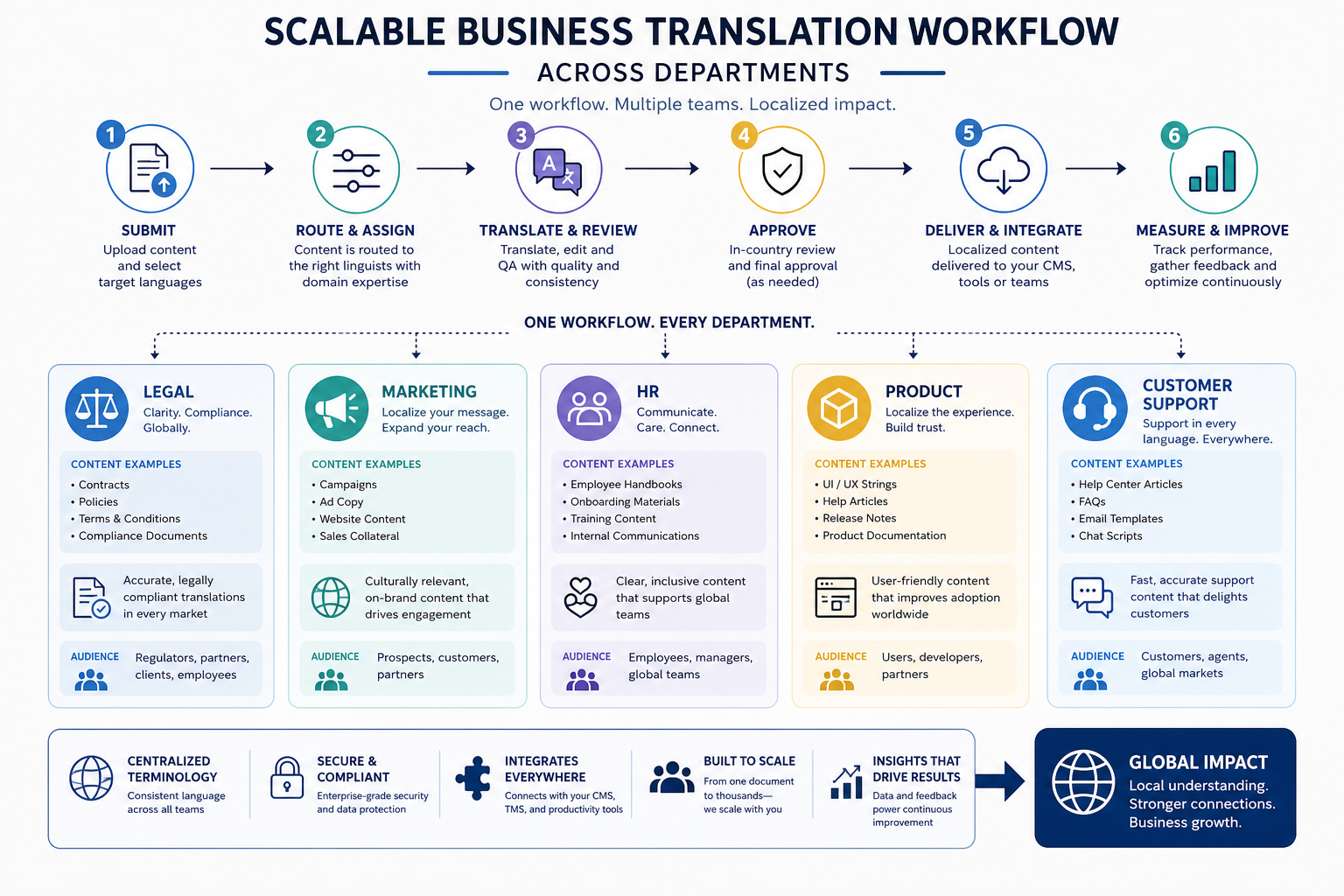
Marketing and brand teams
Marketing needs more than accurate translation. It needs brand consistency, audience relevance, and local nuance. Poorly localized campaign copy can weaken performance even if the grammar is technically correct.
Typical needs:
-
website localization
-
campaign adaptation
-
multilingual landing pages
-
video subtitles and voiceover
-
event promotion materials
Legal and compliance teams
Legal content must preserve meaning exactly. A mistranslated clause, policy, or disclosure can introduce real risk.
Typical needs:
-
contracts
-
compliance policies
-
disclosures
-
regulated communications
-
witness or meeting interpretation
HR and internal communications
Global organizations need employees to understand policies, onboarding, training, and announcements clearly.
Typical needs:
-
employee handbooks
-
benefits materials
-
training content
-
internal town halls with captioning or interpreting
-
multilingual onboarding videos
Product and technical teams
Technical content requires precision and consistency over time.
Typical needs:
-
manuals
-
user interfaces
-
release notes
-
support documentation
-
training videos
-
multilingual product launches
Events and communications teams
This is where many provider lists fall short. Event teams often need end-to-end language access and accessibility, not just document translation.
Typical needs:
-
simultaneous interpreting
-
live captioning
-
subtitling
-
remote interpreter feeds
-
bilingual stage support
-
equipment rental
-
technicians for smooth execution
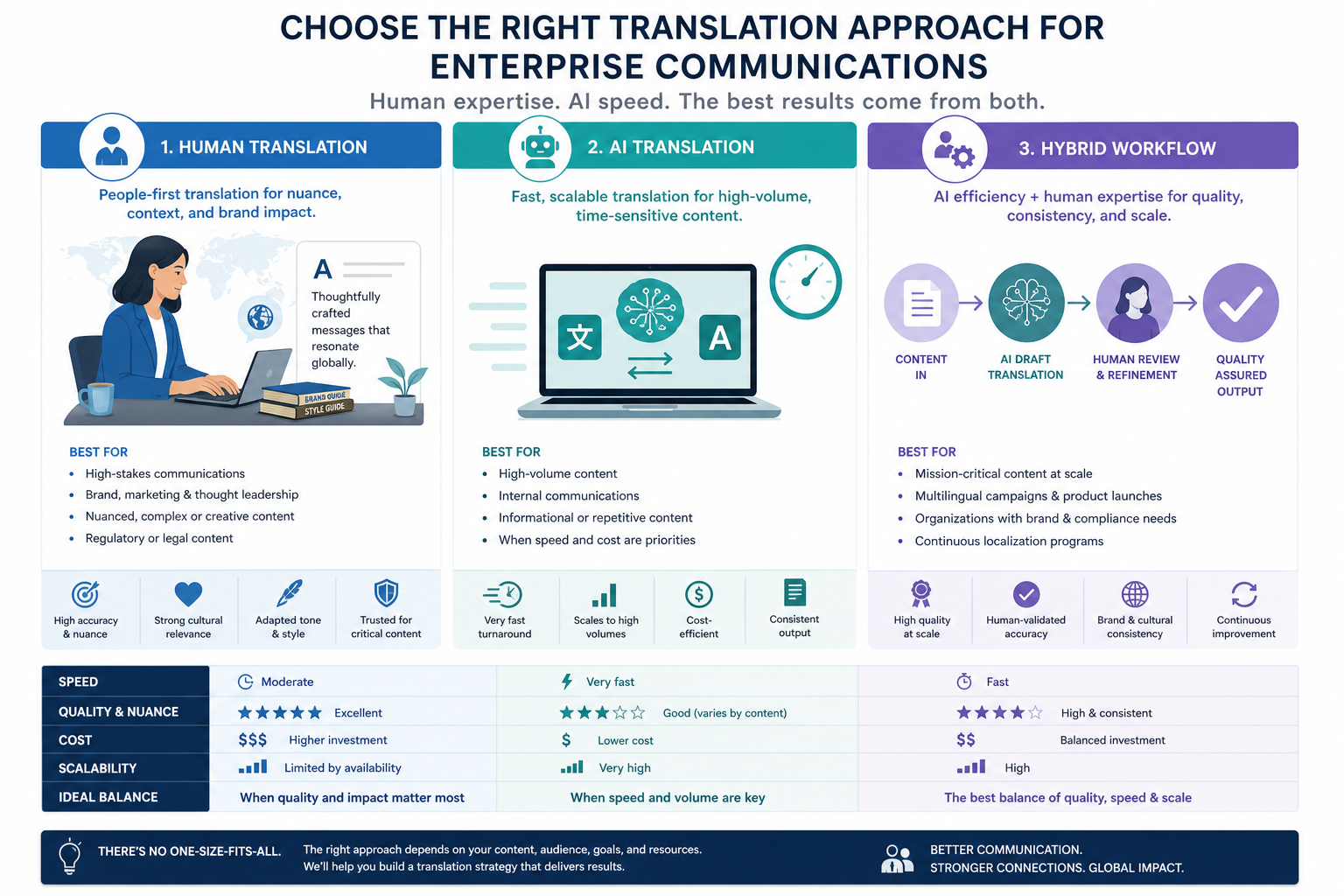
When human translation matters most
AI has changed the industry, but it has not removed the need for expert humans. The better question is where to use AI, where to use human review, and where a hybrid workflow delivers the best result.
Human-first work is essential for:
-
legal and regulated content
-
high-visibility executive communication
-
live interpretation
-
public-facing marketing copy
-
sensitive HR materials
-
accessibility-critical captioning
-
nuanced content with cultural context
AI helps most with:
-
large-volume repetitive content
-
first-pass drafts
-
translation memory leverage
-
terminology suggestions
-
speed for lower-risk internal material
The strongest model: human + AI
The most effective translation services for businesses combine technology and human expertise. AI improves speed and consistency. Human linguists protect meaning, tone, and risk-sensitive details.
That is the approach Team Stream believes in. We use accurate human and AI-powered language services to match the right workflow to the job, rather than forcing every client into a one-size-fits-all model.
Business translation for live, virtual, and hybrid events
This is one of the biggest gaps in competitor content.
Many providers are strong at documents or localization platforms. Far fewer are built to support the realities of live multilingual communication.
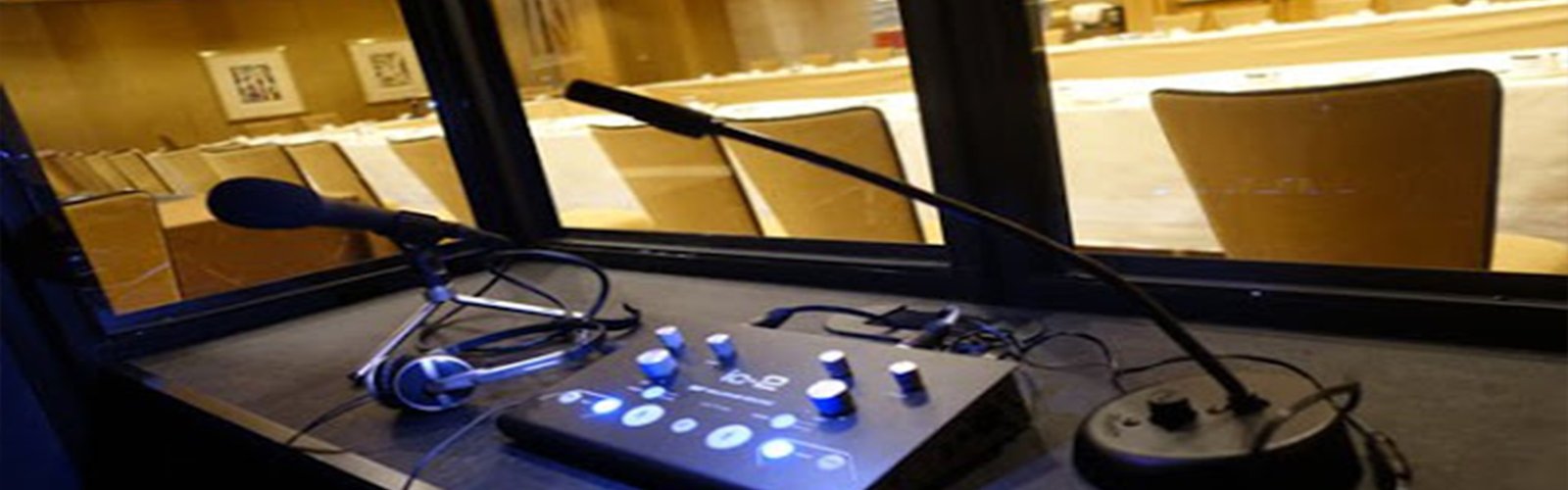
If you organize conferences, corporate meetings, trade shows, product launches, investor events, church services, or broadcasts, you may need a coordinated mix of:
-
interpreters
-
live captioners
-
subtitlers
-
audio routing
-
displays for captions
-
interpreter headsets and receivers
-
remote platform integration
-
on-site technician support
Why event-focused translation support matters
A single vendor who can coordinate language and accessibility services across the event lifecycle usually reduces risk. That means:
-
more consistent terminology from pre-event documents to live sessions
-
fewer handoff errors
-
smoother setup and rehearsal
-
faster response if event scope changes
-
better attendee experience
At Team Stream, this is where our value becomes especially practical. We support live, virtual, and hybrid events with interpreting, captioning, subtitling, translation, equipment rental, and technician services. That makes us a strong fit for organizations that need more than back-office translation.
Translation and accessibility belong together
Accessibility is not separate from communication strategy. It is part of it.
“A report by The Business of Events and ICC Wales found that 93% of disabled delegates encountered obstacles at events.” – Event Industry News
That is a reminder for businesses: if your audience cannot access the message, the communication has failed.
Accessibility services businesses increasingly need
-
live captioning for meetings and events
-
CART for high-accuracy real-time captions
-
closed captioning for recorded content
-
multilingual subtitles
-
voiceover
-
interpreter integration into virtual platforms
-
accessible communication planning for inclusive events
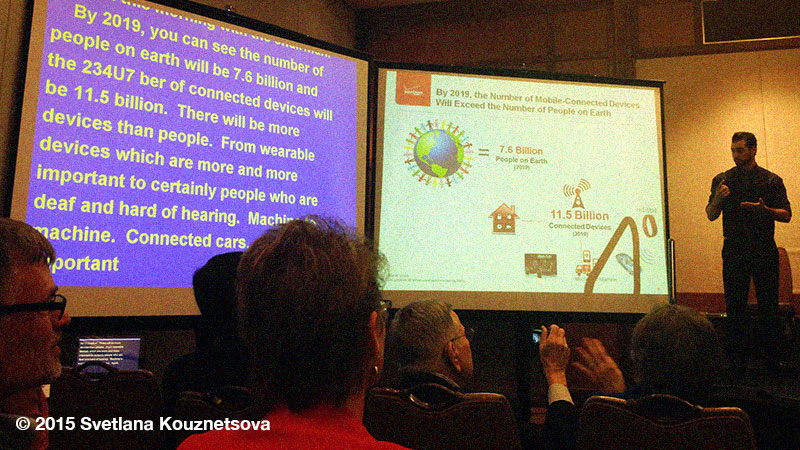
For Team Stream, this is a core part of the service model. We help clients improve both engagement and accessibility through real-time captioning and end-to-end support designed for inclusive communication.
How to evaluate translation services for businesses
Choosing the wrong provider usually does not look wrong on day one. It shows up later as missed deadlines, inconsistent language, technical problems at live events, inaccessible content, or avoidable rework.
Use this evaluation framework instead.
1. Start with the business risk
Ask:
-
What happens if this translation is wrong?
-
Is this content public, regulated, technical, or event-critical?
-
Do we need live delivery, not just written output?
-
Does accessibility matter for this use case?
2. Match the provider to the use case
Different providers are built for different jobs.
|
Primary Need |
Best Provider Type |
|---|---|
|
High-volume website or product localization |
Tech-enabled localization provider |
|
Certified or regulated documents |
Specialist translation provider |
|
Live multilingual meetings or conferences |
Interpreting and event language partner |
|
Accessibility across events and video |
Captioning and accessibility-focused partner |
|
Mixed needs across events, content, and accessibility |
End-to-end language access provider |
3. Assess terminology control
Ask whether the provider can:
-
maintain glossaries
-
use translation memory
-
preserve brand voice
-
align terminology across translation, interpreting, and captions
4. Review quality assurance
Ask:
-
who translates the work
-
who reviews it
-
when human review is mandatory
-
how revisions are handled
-
how urgent escalations are managed
5. Check technical delivery capability
Especially for events, you need to know:
-
do they support remote and in-person workflows
-
can they provide equipment
-
do they have technicians
-
can they support streaming platforms and hybrid environments
6. Confirm responsiveness
High-stakes communication often changes fast. Your partner should be able to adjust to schedule shifts, additional languages, revised run-of-show needs, and late-breaking requests.
This is one reason organizations choose Team Stream. Our reputation is built not only on quality, but on strong customer service, responsiveness, and reliable execution.
What a scalable language partner should look like
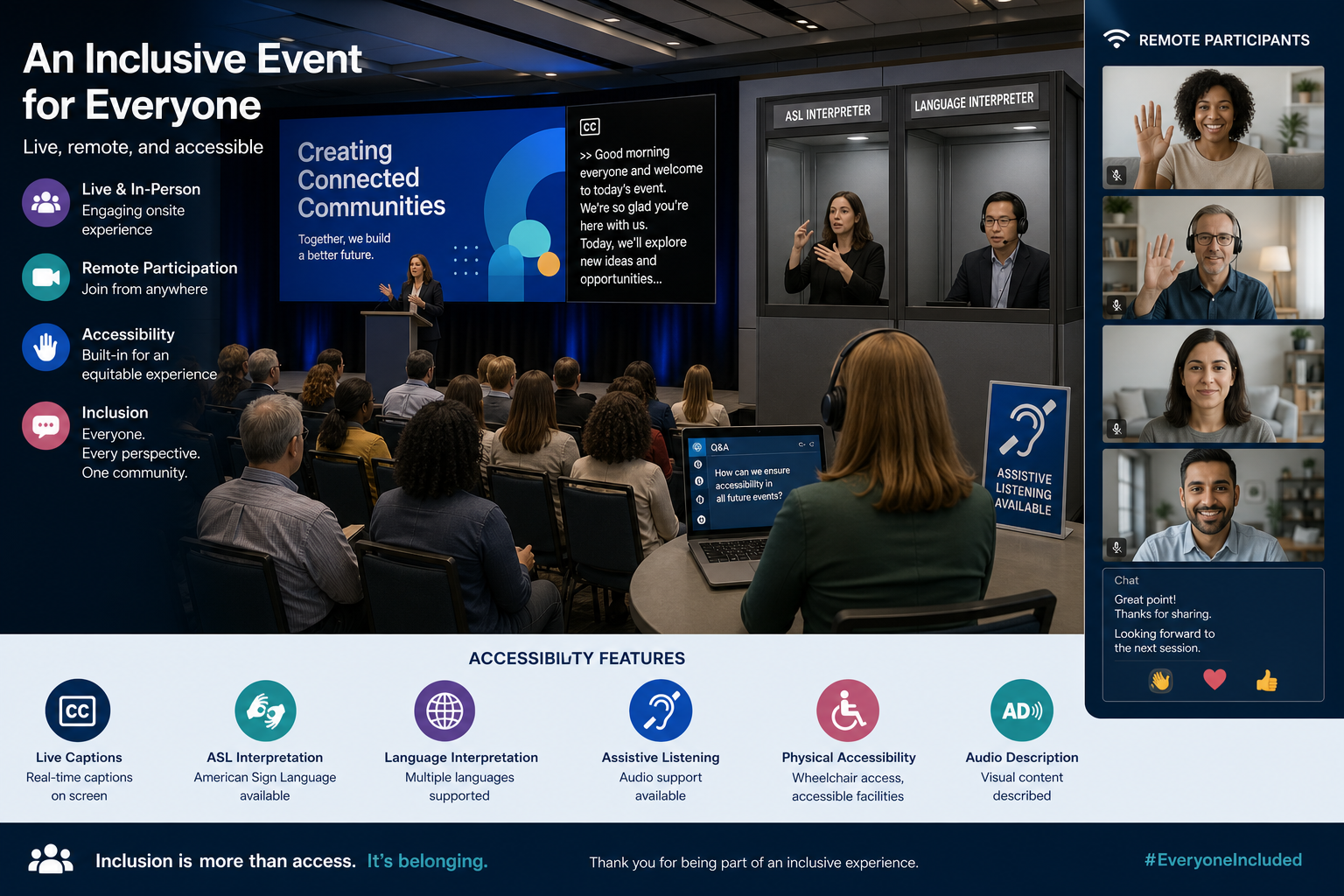
A scalable partner should do more than translate accurately. It should help your organization standardize how multilingual communication gets planned and delivered.
Look for a provider that offers:
-
human expertise supported by the right AI tools
-
interpreting for meetings and events
-
live captioning and accessibility services
-
multilingual video support through subtitling and voiceover
-
support for live, virtual, and hybrid formats
-
compliance-friendly communication workflows
-
equipment rental and technicians when needed
-
flexible service delivery in-person and remotely
-
consistent account support from experienced professionals
That combination is rare, but it matters. It is also where Team Stream stands apart.
Where Team Stream fits best
Team Stream is especially well suited for organizations that need language services tied to real-world communication delivery, not just isolated file translation.
Best-fit use cases
Conferences and corporate events
Need interpreting, live captioning, equipment, and technical support under one roof? Team Stream is built for that.
Hybrid and virtual meetings
We help organizations deliver multilingual and accessible experiences across platforms, with remote and in-person options.
Broadcasts, churches, and live productions
When clarity, timing, and audience access matter in real time, execution quality is everything.
Enterprise communication programs
If your business needs translation, subtitling, voiceover, interpreting, and accessibility across departments, it helps to work with a partner that can connect those services.
Why businesses choose Team Stream
-
25+ years of experience
-
accurate human and AI-powered translation and interpreting
-
real-time captioning for accessibility and audience engagement
-
support for live, virtual, and hybrid environments
-
tailored service delivery instead of rigid packages
-
compliance-friendly, inclusive communication support
-
equipment rental and technician services
-
responsive customer service and dependable execution
Common mistakes businesses make when buying translation services
Buying on price alone
Cheap translation often becomes expensive once revisions, misunderstandings, and brand damage are factored in.
Treating all content the same
Not every project needs the same workflow. Legal, marketing, events, and internal comms each require different review standards.
Separating translation from accessibility
If your audience needs captions, subtitles, or interpreted sessions, those services should be planned together.
Ignoring event logistics
For live settings, the language plan has to work technically, not just linguistically.
Overusing AI without guardrails
AI is useful, but unsupervised output can create quality and compliance problems. Businesses need smart hybrid workflows.
A simple checklist before you choose a provider
Use this short list before signing with any language partner:
-
Do they understand our industry?
-
Can they support both written and live communication?
-
Do they provide accessibility services like live captioning or subtitles?
-
Can they support virtual, hybrid, and in-person formats?
-
Do they offer technicians or equipment if needed?
-
How do they use AI, and where do humans review?
-
How do they manage terminology and consistency?
-
Can they scale with us across departments and events?
-
Are they responsive when timelines change?
If the answer is yes across the board, you are looking at a true growth partner, not just a translation vendor.
Final verdict
The best translation services for companies do more than turn text into another language. They help businesses communicate clearly, inclusively, and consistently across documents, meetings, events, videos, broadcasts, and customer experiences.
That is the missing piece in many competitor guides. Translation at business scale is not only about words. It is about clarity, accessibility, compliance, audience trust, and operational execution.
If your organization needs a partner that can support multilingual communication across live events, corporate meetings, hybrid experiences, video content, and business documents, Team Stream offers a stronger, more practical model than a translation-only provider. With over 25 years of expertise, flexible in-person and remote delivery, real-time captioning, interpreting, translation, subtitling, voiceover, equipment rental, and technician support, Team Stream helps businesses scale communication without sacrificing quality.
If you want a language access partner that is responsive, experienced, and built for real-world execution, Team Stream is ready to help.
FAQ
How much do translation services usually cost?
Costs vary based on language pair, subject matter, turnaround time, formatting, and review level. Basic business documents may be priced per word or page, while interpreting, live captioning, and event support are often quoted by the hour or project scope.
Which is one of the most highly utilized translation services?
One of the most widely used services is written document translation, especially for websites, legal documents, marketing materials, HR content, and product information. For many organizations, it is also paired with localization to keep messaging consistent across markets.
What is a good hourly rate for a translator?
A good hourly rate depends on the translator’s specialization, language pair, urgency, and industry expertise. Rates for highly technical, legal, or regulated content are typically higher than for general business material because the risk and skill requirements are greater.
Is AI taking over interpreters?
No. AI can help with speed and support certain workflows, but live interpreting still depends heavily on human expertise, especially in high-stakes business, legal, medical, and event settings where context, nuance, and accuracy matter.
What is the golden rule of translation?
The golden rule is to preserve meaning, not just words. Strong translation keeps the original intent, tone, terminology, and audience impact intact while adapting appropriately for the target language and context.
What is a good hourly rate for a translator?
For business planning, the best benchmark is not the cheapest rate but the one that reflects quality, subject expertise, and review rigor. If the content is public, regulated, or event-critical, paying for experienced professionals usually prevents costly rework later.
